Master Theory and Practice of Experimental Performance
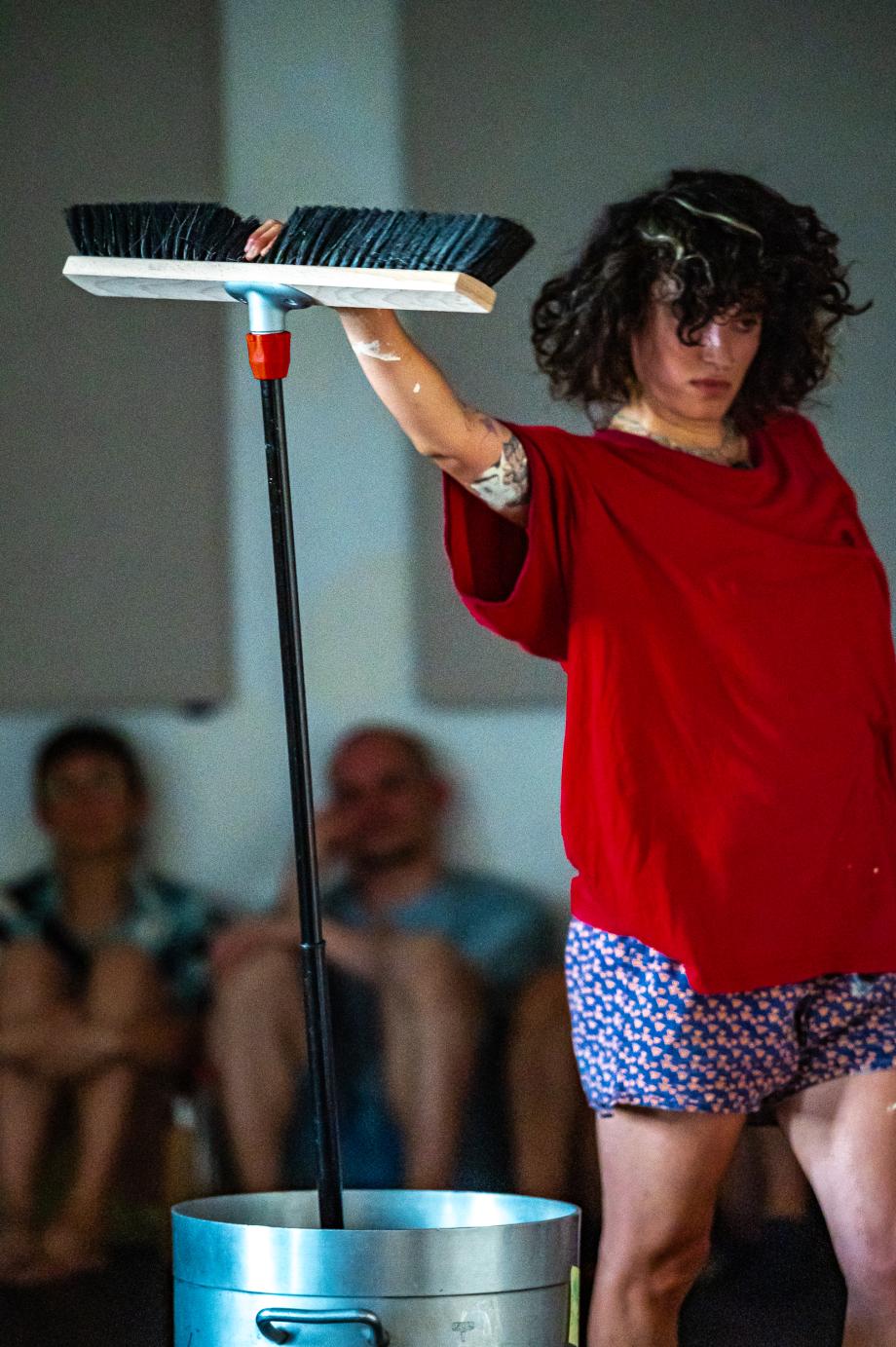
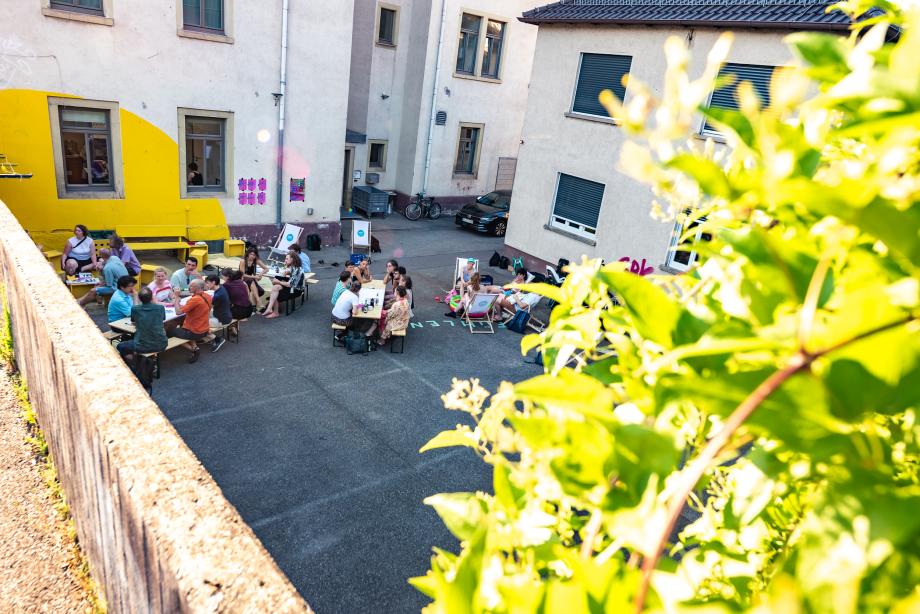
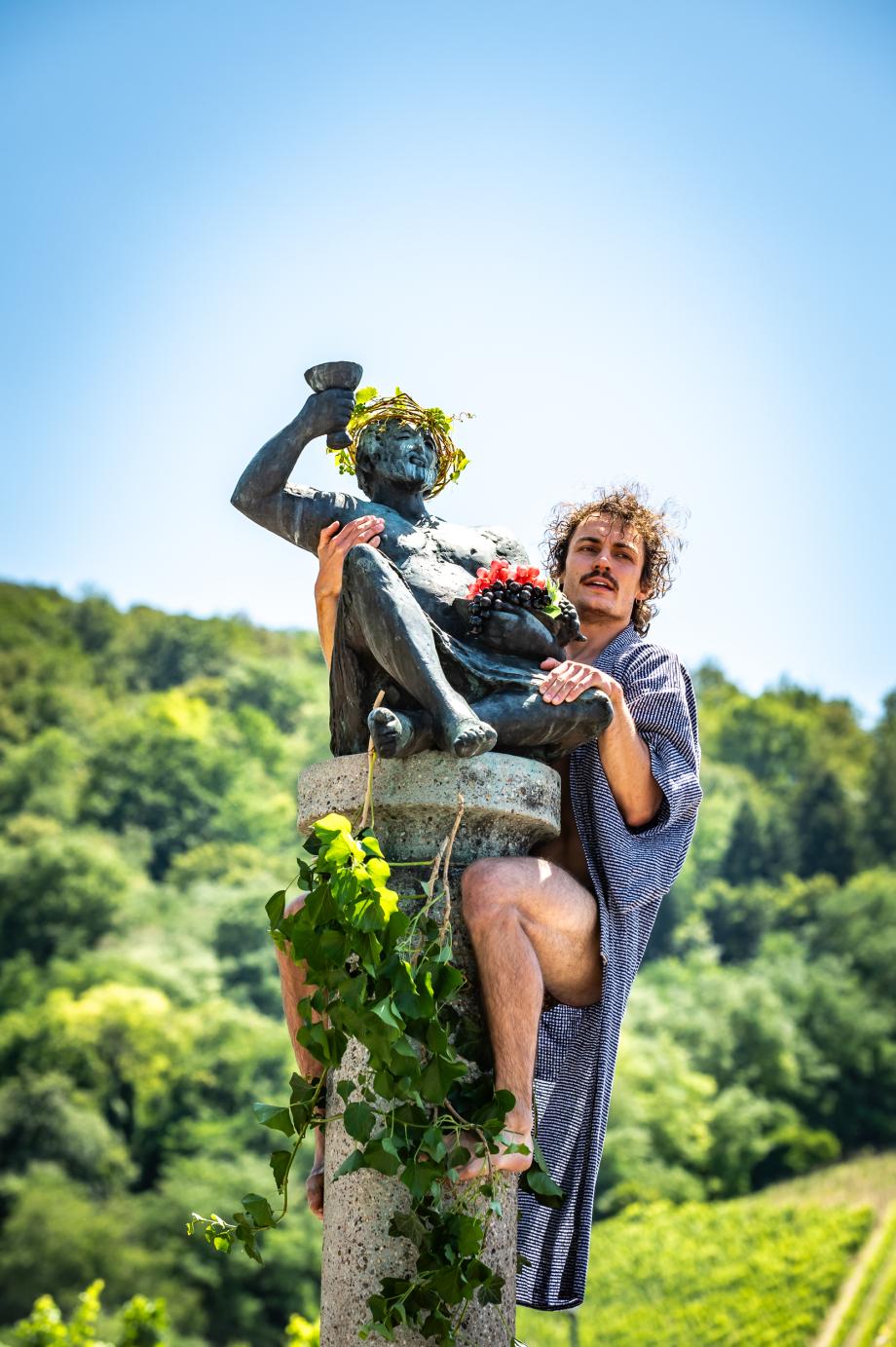
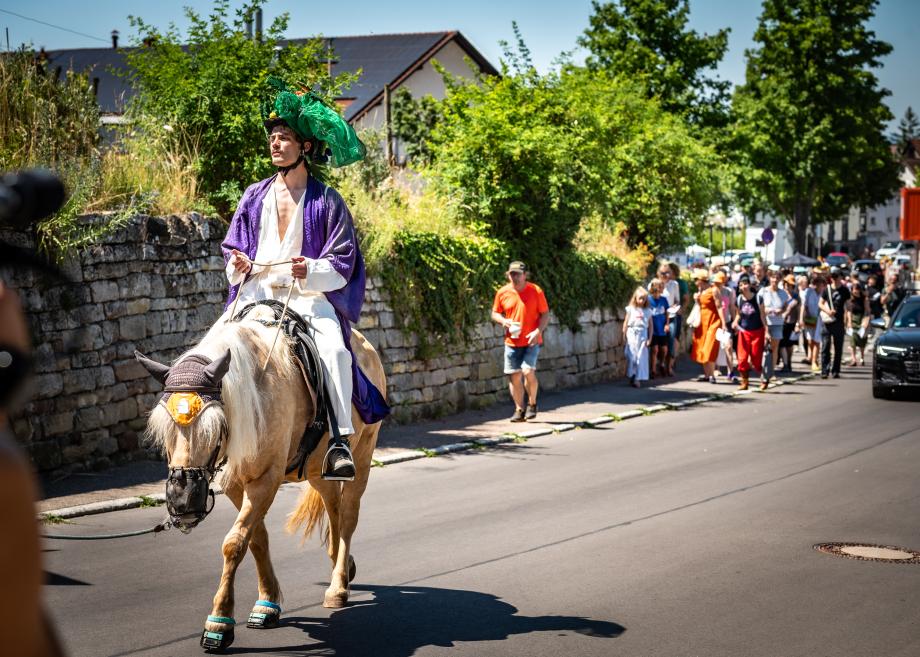
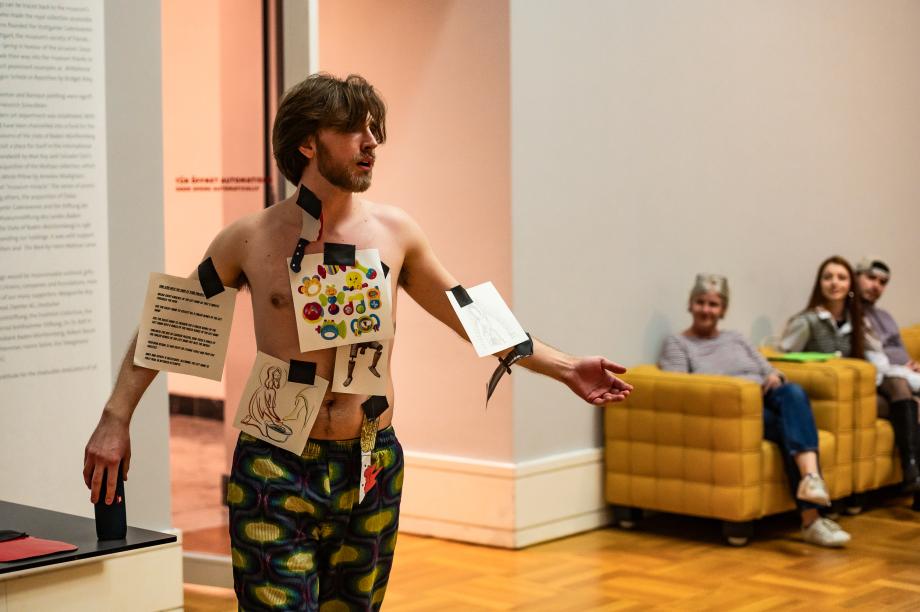
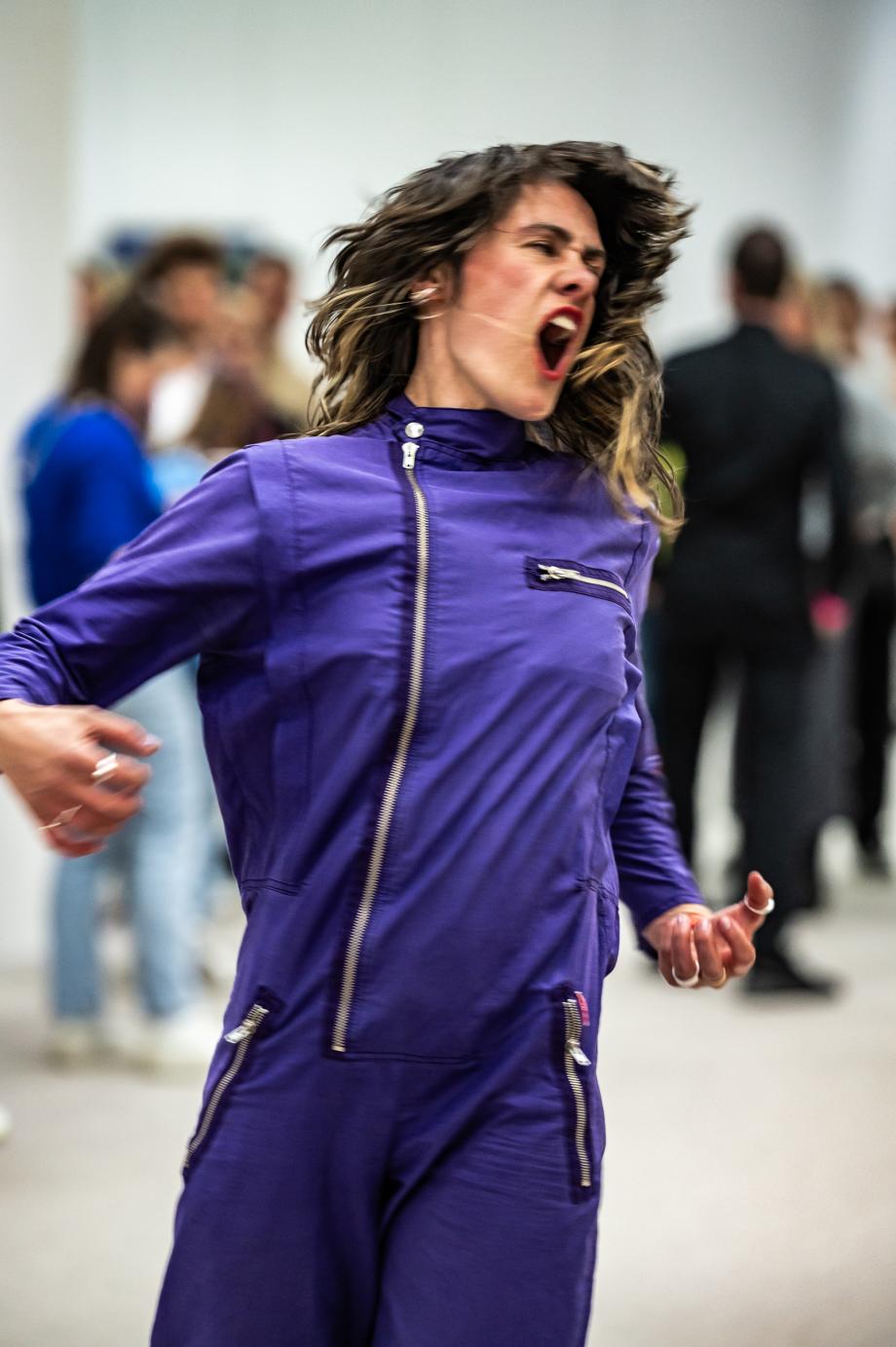
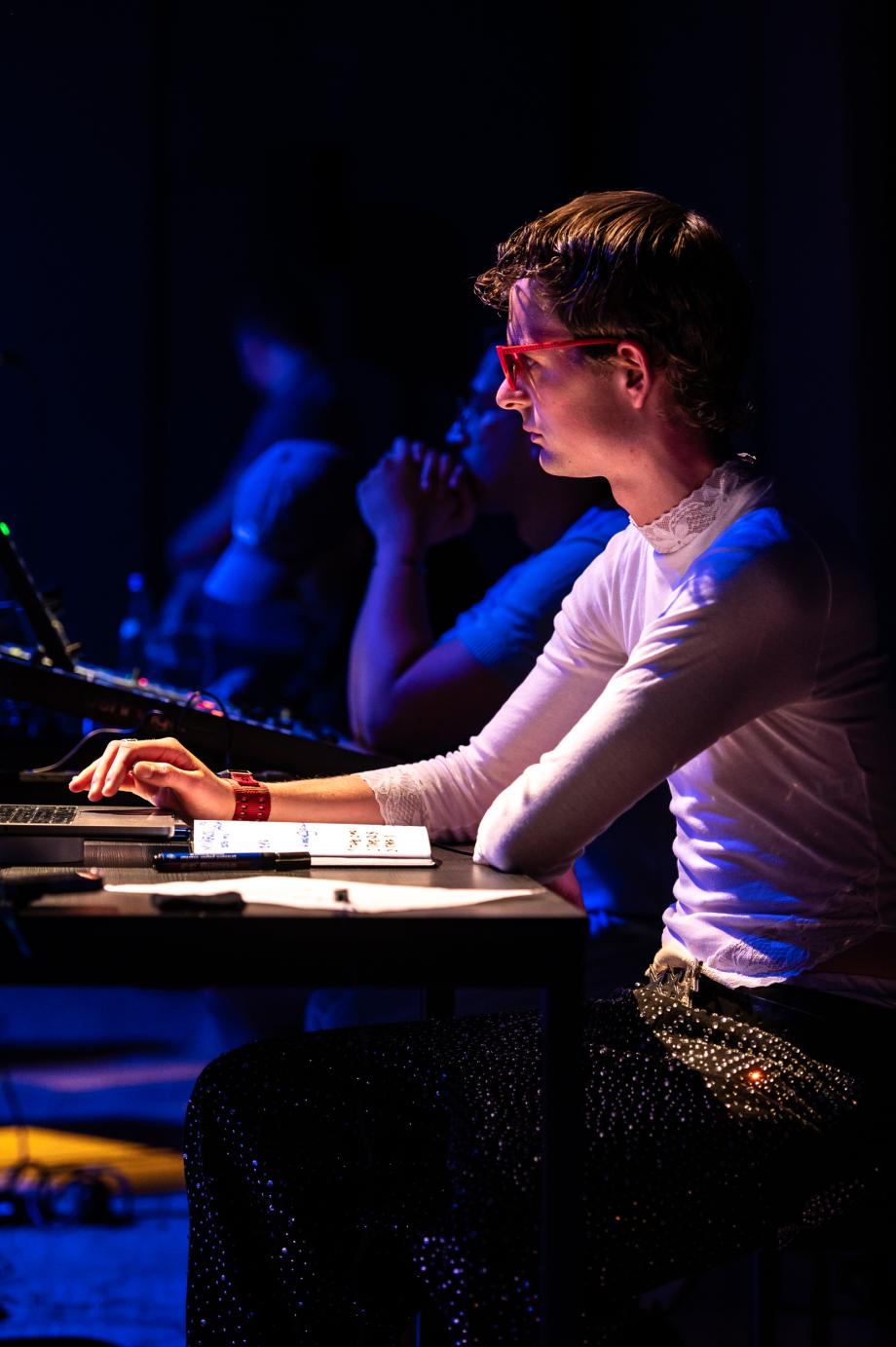
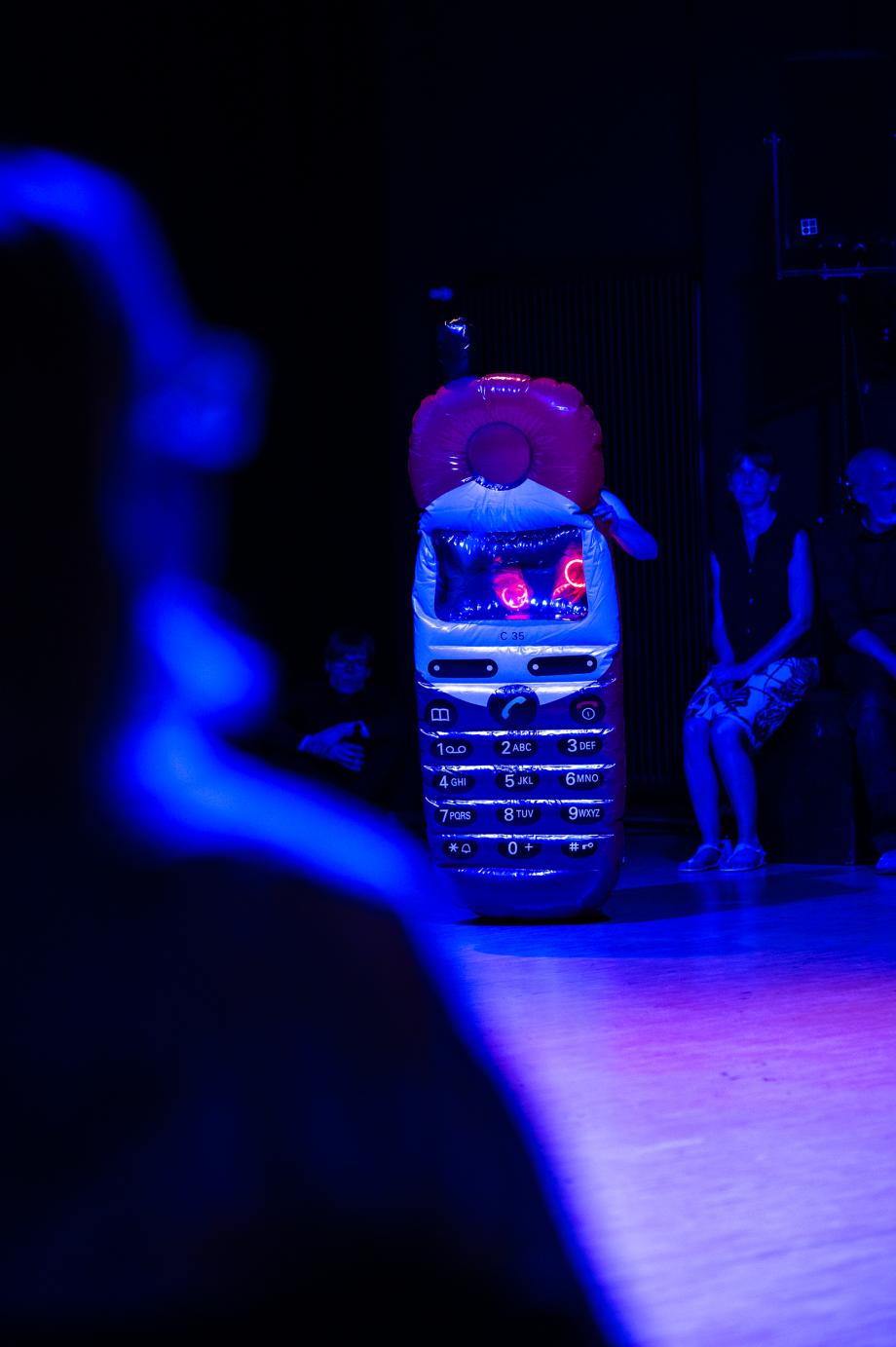
The Master's program Theory and Practice of Experimental Performance has been in existence since the winter semester of 2020/2021. This two-year interdisciplinary Master's program invites individuals with Bachelor's and Diplom degrees from all fields. Experience in performative practice is required, while experience in theoretical work is desired. Master's students are individually supported in developing their own performance projects, as well as exploring the question of "we" in collaborative project work. Alongside the performative work, theoretical formats for reflecting on one's own work are developed, and basic competencies in various areas are acquired.
Entrance Exam
Entry requirements
- a Bachelor’s degree or equivalent qualification
- in justified exceptional cases, admission to the programme may also be granted if applicants have acquired the necessary entry requirements through substantial professional experience
- evidence of exceptional artistic talent in the field of performance
The entrance examination is divided into two parts:
Information on the video session or preliminary assessment
Please submit documents/video recordings in accordance with the guidelines for your subject set out below via a video link (YouTube, Vimeo, etc.) on the online application portal.
Please note the following: For subjects in which you are submitting documents other than videos, please provide a link to a cloud folder (Google Drive, Dropbox, etc.). If you pass the first selection round, you will receive an invitation to the face-to-face part of the entrance examination.
Part 1: Written application
- a tabular CV including your name, address, email address, date of birth, school qualifications, degree programme, any previous periods of study and qualifications (if applicable), work experience and other qualifications, involvement in projects, prizes, awards or scholarships
- a letter of motivation (no more than 2,000 characters) in which you answer the following questions:
- How does my own artistic work relate to contemporary performance?
- Why am I applying for this MA programme at this point in time?
- What do I hope to learn during a two-year MA programme? What are my personal goals?
- A portfolio of up to three performative works, accompanied by a brief summary and links to documentation, text, audio or video of these artistic or theoretical works. Select works that are significant for your own academic and artistic development.
- A written response to one of the three scenarios described (no more than 2,000 characters)
- Write a concept for a performance that can only be observed through a telescope
- Imagine and describe an everyday performative event that causes the Earth’s axis to shift
- Describe a musical performance (not necessarily a musical, but a performance in which music plays a central role) that lasts longer than a human lifetime
- A copy of your school leaving certificate (usually an A-Level certificate)
- A copy of your higher education qualifications (BA or equivalent)
- Where applicable, evidence of professional experience deemed equivalent to an undergraduate degree programme
- Evidence of academic achievements from previous studies
- Applicants who have previously studied at another higher education institution must enclose with their application evidence of periods of study and examinations already passed.
- Proof of payment of a processing fee of €50 per application
Please name the individual files according to the following format: Surname_First name_Letter of motivation.pdf
Bank details
Payee: LOK BA-Wü
IBAN: DE 02 6005 01017495530102
BIC code: SOLADEST600
Reference: 8587200001142 - SURNAME, FIRST NAME
Please ensure you enter the full reference!
Important note:
If the processing fee of €50 has not been credited to our account in good time, the application for the specified semester can no longer be considered. A refund of the application fee will only be granted if the entrance examination is cancelled by the university (not if applicants cancel of their own accord).
The fee cannot be carried over to the next application round.
If your certificates are not in German, they must be submitted with a certified translation into German or English.
Part 2: One-day entrance examination in person
Once your application has been reviewed, you will receive notification by email as to whether you have been admitted to the second round of the entrance examination in Stuttgart. The examination consists of the presentation of a performative work, a group working phase during which performative, theoretical and conceptual tasks must be completed, and an individual interview. Further information on the entrance examination will be provided with the invitation.
Please direct any enquiries to
aufnahmepruefung@hmdk-stuttgart.de
Accessibility:
If you have any questions regarding the accessibility of the application process or the degree programme, please contact: maria.huber@hmdk-stuttgart.de
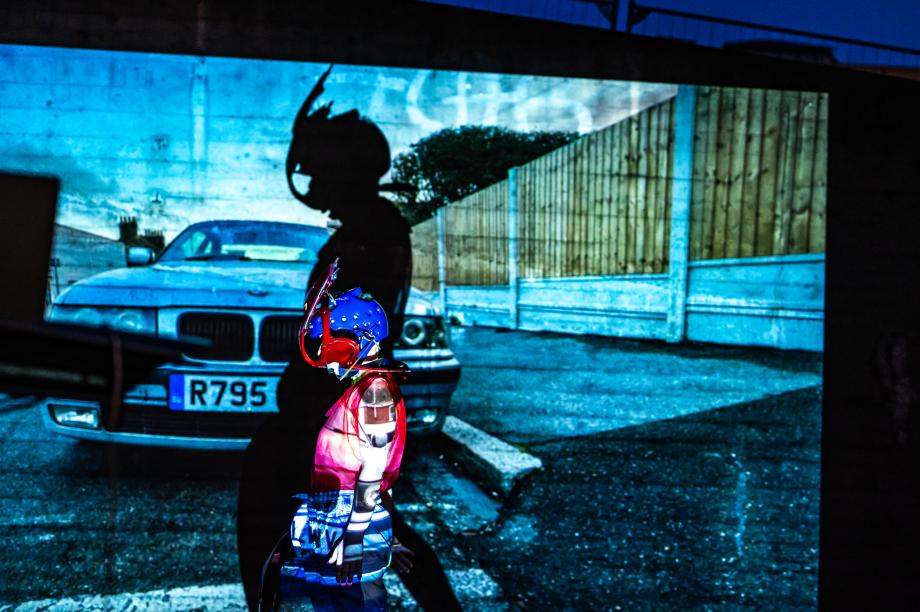
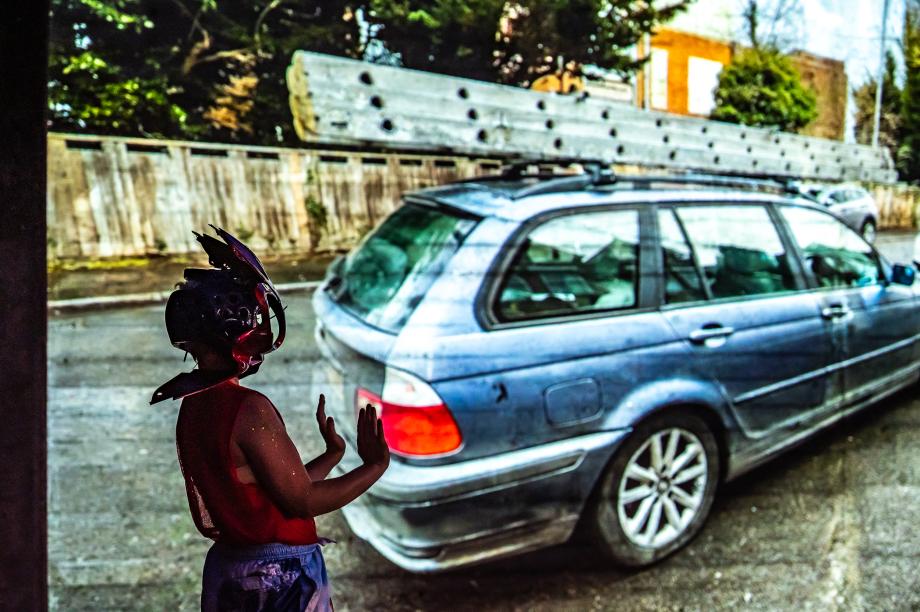
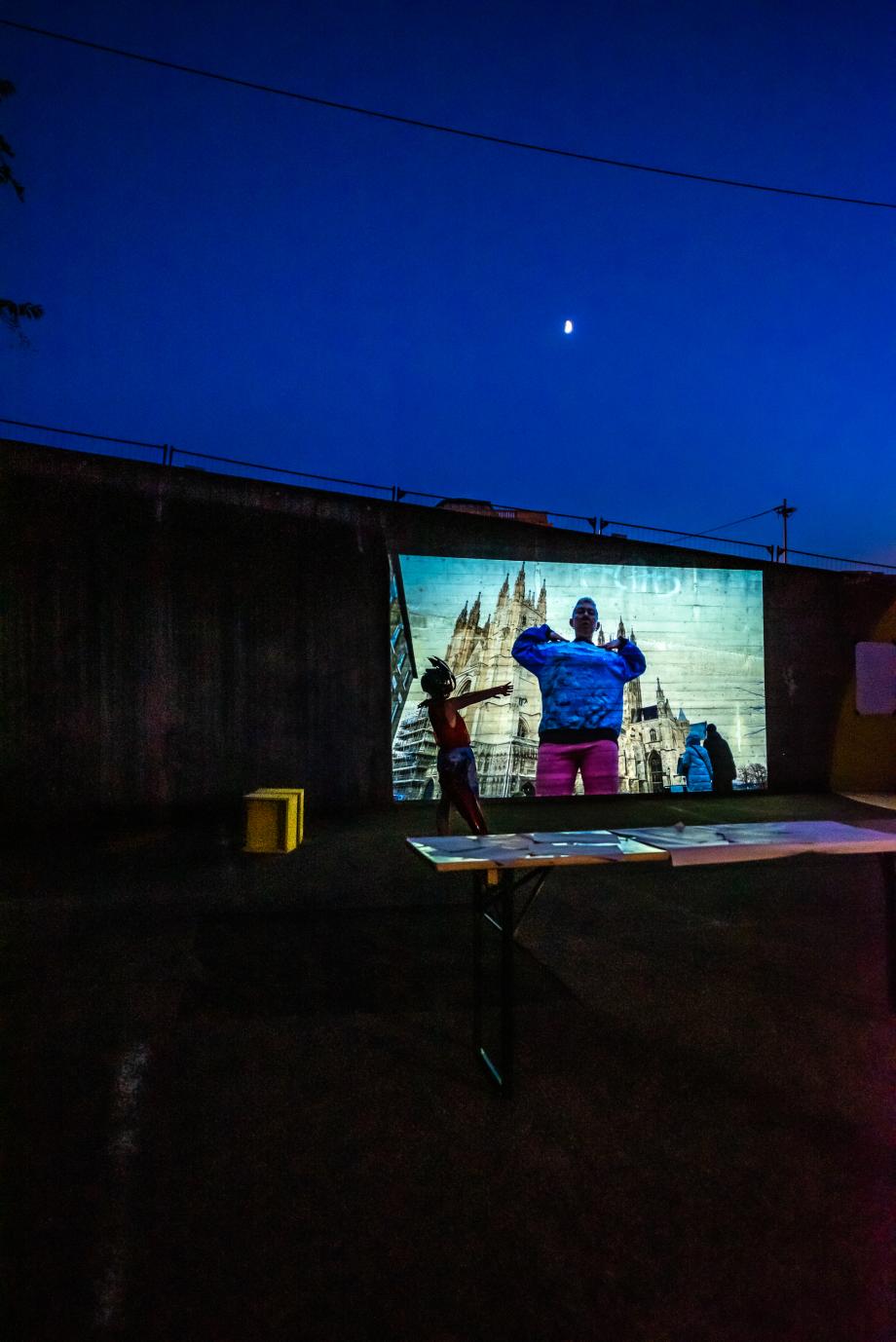
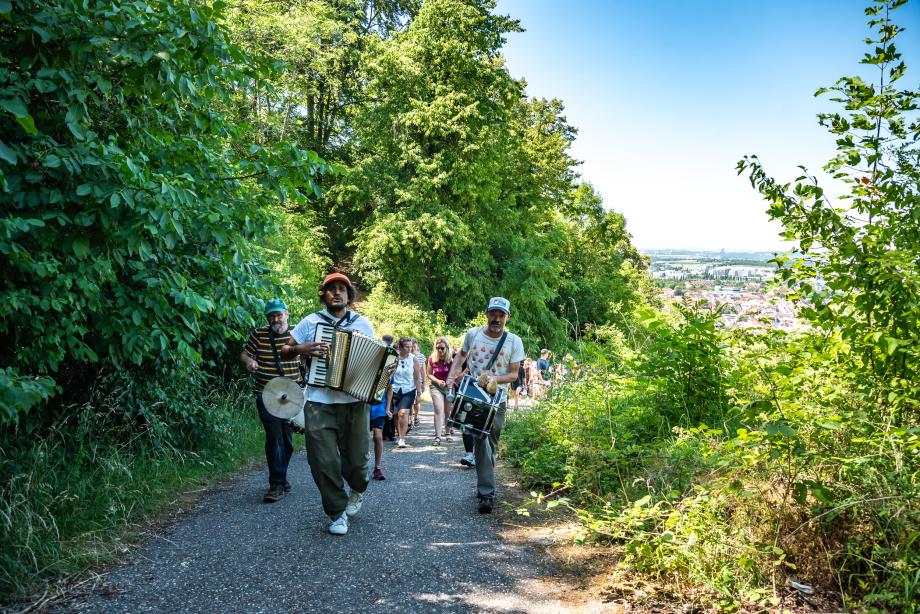
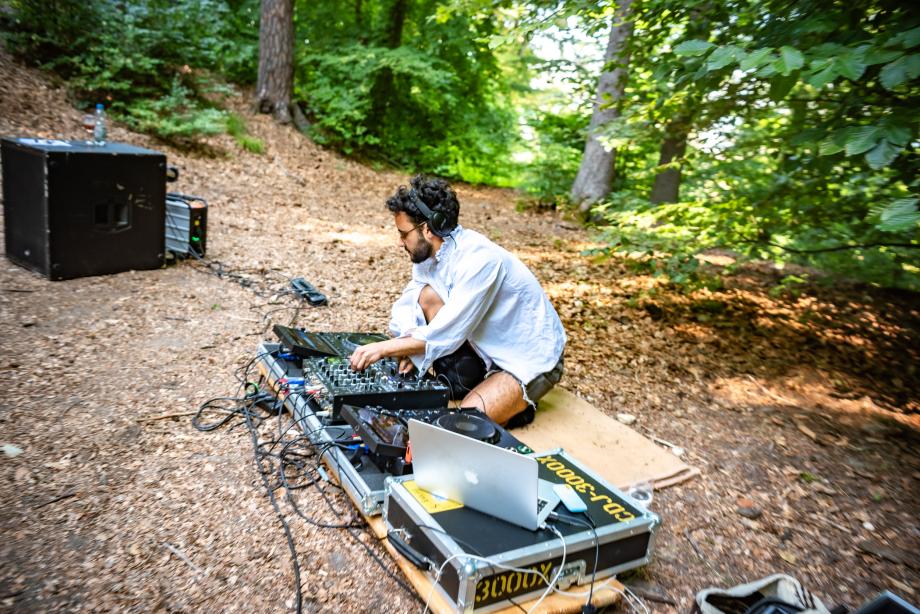
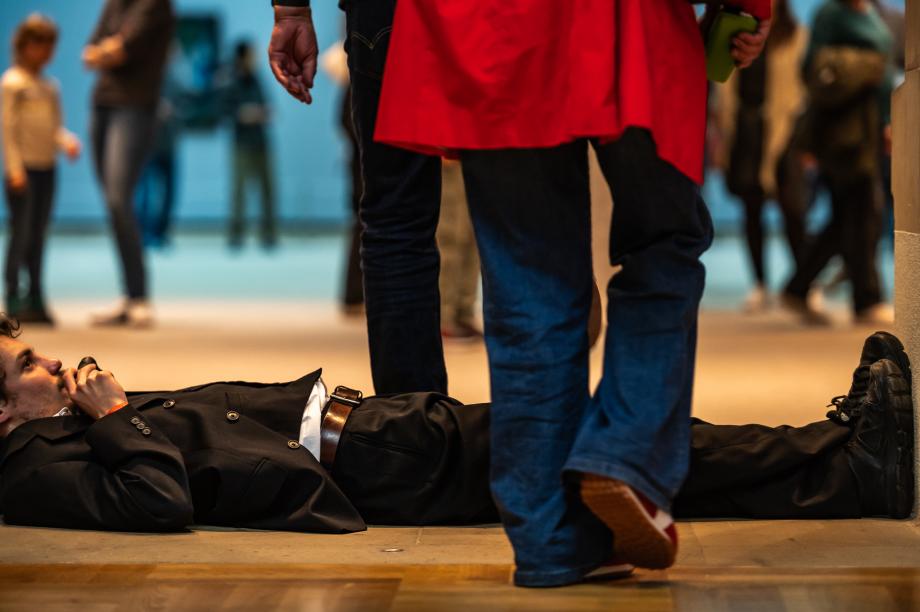
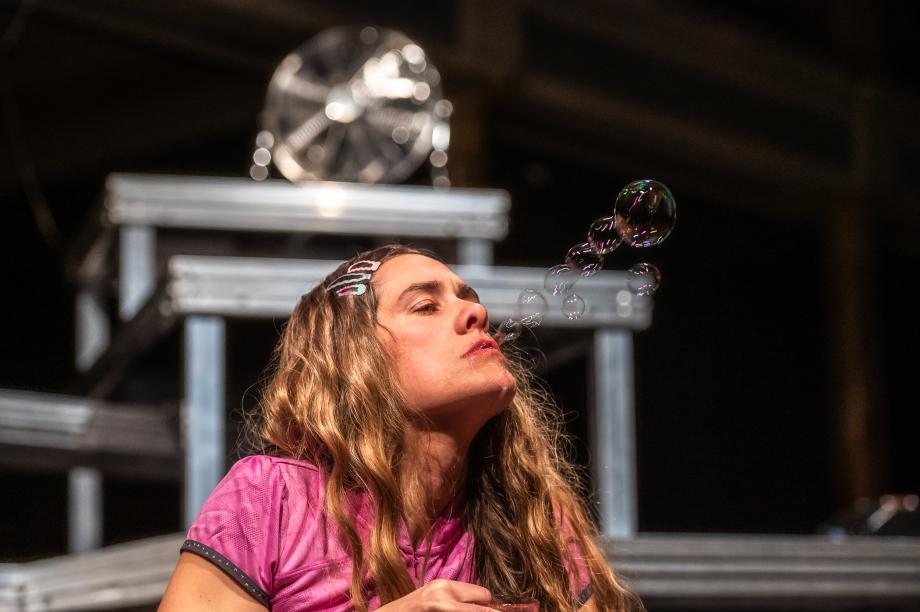
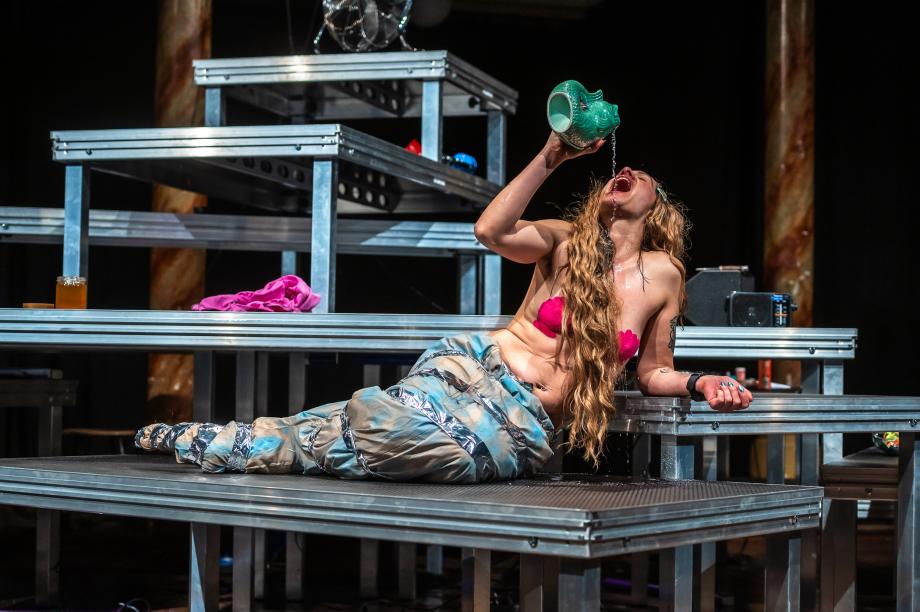
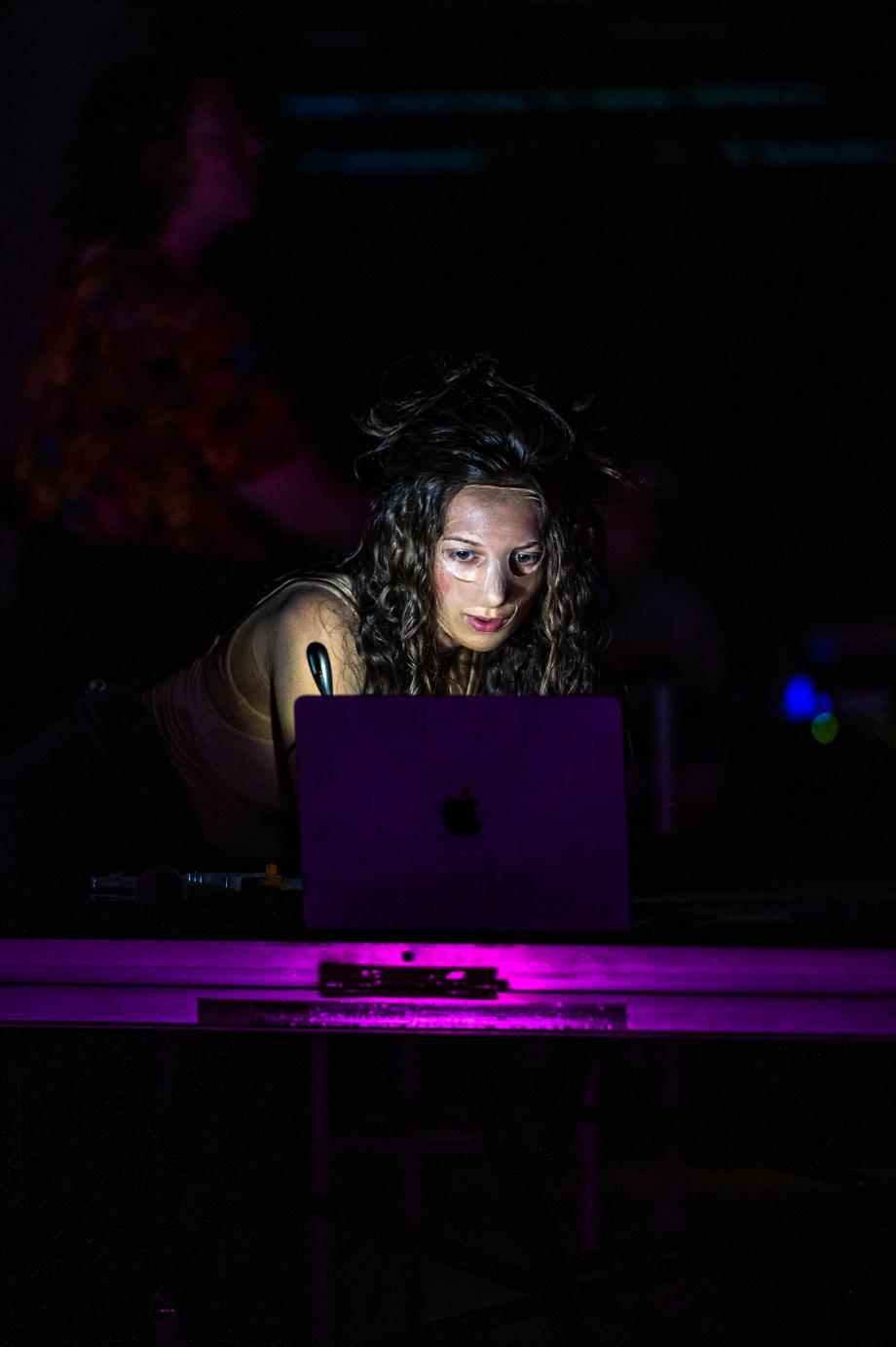
The four-semester Master's program Theory and Practice of Experimental Performance offers students the opportunity to further develop and deepen their artistic practice in the field of performance. Performance is understood here as an artistic and social practice that bridges disciplines and draws from various contexts and traditions. Within the framework of the HMDK Stuttgart, the program provides a transdisciplinary environment inviting students to explore performative concepts in areas such as music/sound, dance/choreography, theatre, installation and visual arts, activism, technology, social practice, and architecture. Both practical and reflective approaches are emphasized, enabling students to cultivate a discursive practice and articulate their work and context.
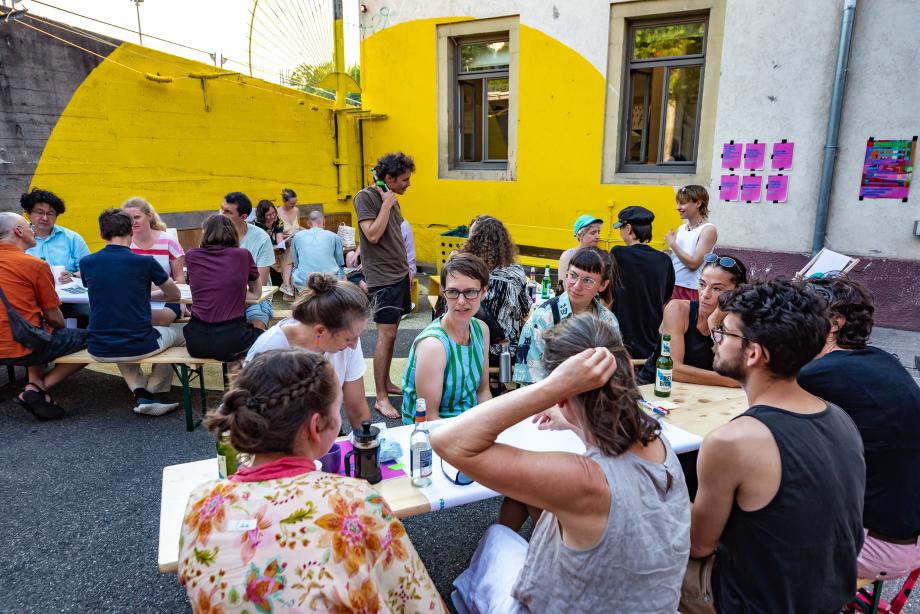
The program places a strong emphasis on the development of individual, collaborative, and collective work. It offers a space for methodological development and experimental collaborations. Students are encouraged to adopt a research-based approach to their work, investigating what performance can be and how it engages with current issues. Exchange among peers, mutual learning, and a productive culture of feedback are central.
The study consists of ongoing seminars with teachers of the HMDK as well as workshops and lectures by international guest artists and scholars. The small number of students allows for individualized supervision of each student.
The Master's program is part of the CAMPUS GEGENWART, a transdisciplinary center for artistic and theoretical exchange and collaboration between the three art schools and the university in Stuttgart. The CAMPUS GEGENWART enables students to participate in courses at the "Staatlichen Akademie der Bildenden Künste" and the "Merz Akademie – Hochschule für Gestaltung, Kunst und Medien". Furthermore, the CAMPUS GEGENWART collaborates with a wide range of cultural institutions in and around Stuttgart. This provides students with the opportunity to explore fields of work and design future collaborations by interacting with experts and students from various creative disciplines.
Data and facts

Application
Target audience
Application process
Accessibility

Downloads
Immatrikulationssatzung (PDF)
Stand: 06/2026
Further documents relating to the course of study (study and examination regulations, module descriptions, examination requirements, etc.) can be found in the internal area.